Maximizing Durability and Performance with Rubber in Pulp Processing Equipment
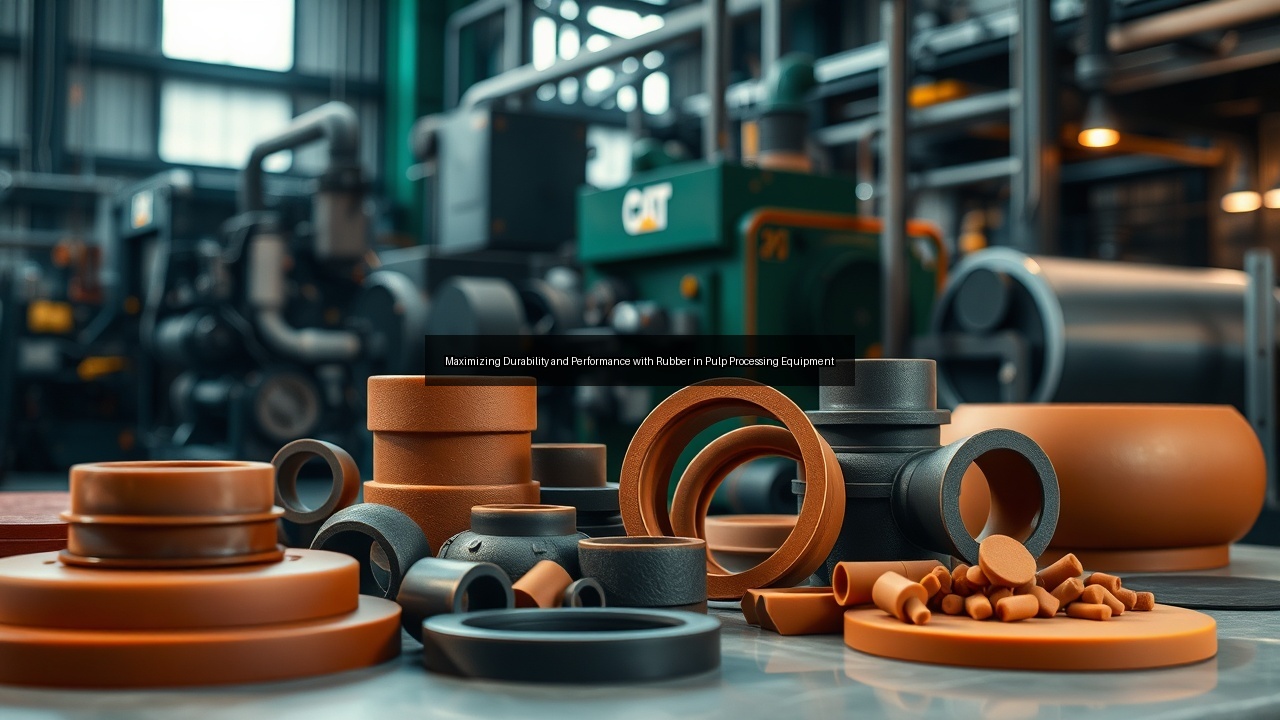
Understanding the Role of Rubber in Pulp Processing Equipment
Importance of Rubber in Pulp & Paper Industry
Rubber products for the pulp & paper industry deliver essential protection and efficiency across demanding operations. Mills rely on robust rubber components to handle abrasive fibers, high pressures, and continuous runs that quickly degrade metal parts. These materials form reliable barriers that reduce downtime and maintenance costs while maintaining consistent output quality. Rubber products for pulp and paper industry applications absorb vibrations, prevent corrosion, and extend equipment life in screens, washers, and refiners. Operators see immediate gains in uptime because rubber resists wear that would otherwise force frequent shutdowns. Pulp and paper industry rubber products also support safer environments by containing process fluids and minimizing leaks. Facilities that integrate these solutions report smoother workflows and lower replacement cycles, proving rubber remains a core material for competitive performance.
Beyond basic protection, rubber components play a pivotal role in modern pulp mills that process thousands of tons of fiber daily. In high-speed continuous digesters and bleaching towers, rubber-lined pipes and valves withstand turbulent flows laden with wood chips and chemical slurries. This resilience translates into measurable productivity gains; for instance, mills using advanced rubber linings often achieve 15-20% longer intervals between major overhauls compared with unprotected steel systems. Additionally, rubber’s inherent damping properties reduce noise levels in refiner rooms, improving operator comfort and helping facilities comply with occupational safety regulations. The cumulative effect is a more stable manufacturing environment that supports both high-volume commodity grades and specialty papers requiring precise process control.
Types of Rubber Used: Natural Rubber vs. Synthetic Options
Natural rubber offers excellent elasticity and tear resistance that suits many pulp handling stages. It flexes under load without cracking and recovers quickly after compression. Mills pair natural rubber with synthetic compounds when exposure to oils or extreme temperatures rises. Synthetic options provide tailored resistance to specific pulping chemicals and deliver longer service in aggressive conditions. Rubber products for the pulp & paper industry often combine both types to balance flexibility with durability. Selection depends on the exact process step, temperature range, and chemical load. Engineers test samples under plant conditions before full rollout to confirm the right match. This approach keeps equipment running longer and reduces unplanned stops.
Common synthetic alternatives include nitrile rubber for oil-contaminated white-water circuits, neoprene for moderate chemical exposure in washer drums, and fluorocarbon elastomers in high-temperature black-liquor lines. Blends of natural and synthetic polymers are frequently custom-formulated to achieve specific durometer readings between 50 and 80 Shore A, ensuring optimal sealing force without extrusion under pressure differentials exceeding 10 bar. Laboratory and pilot-plant trials typically evaluate parameters such as volume swell, compression set, and abrasion loss according to ASTM standards before approving a compound for full-scale deployment. Such rigorous qualification protocols minimize the risk of premature failure during seasonal production peaks when mills operate at 110% of design capacity.
Key Rubber Products and Their Applications
Gaskets: Ensuring Seals in Pulp Equipment
Gaskets made from specialized rubber create tight seals that hold process fluids inside pipes, pumps, and tanks. They withstand constant pressure changes and fiber abrasion common in pulp lines. Proper gasket installation prevents costly leaks that contaminate batches and damage surrounding machinery. Rubber gaskets also accommodate thermal expansion without losing contact, maintaining integrity across temperature swings. Mills stock multiple sizes and compounds so technicians can swap parts quickly during scheduled maintenance. High-quality gaskets reduce the frequency of shutdowns and protect downstream equipment from fluid loss. Consistent sealing performance directly supports higher throughput and product uniformity.
Advanced gasket designs incorporate fabric reinforcements or metal inserts for applications involving cyclic loading, such as pump casings that experience repeated start-stop cycles. In oxygen-delignification reactors operating at 90–110 °C, peroxide-resistant EPDM or HNBR gaskets maintain seal integrity despite aggressive oxidative conditions. Proper surface preparation of flange faces, combined with controlled bolt-torque sequences, ensures uniform compression and prevents localized over-stressing that could initiate micro-tears. Many mills now employ RFID-tagged gaskets linked to maintenance databases, enabling precise tracking of service life and automatic reordering when cumulative exposure hours approach design limits.
Stoppers: Preventing Leaks and Contamination
Stoppers block openings in vessels and pipelines during cleaning or maintenance cycles. Rubber stoppers expand to form a secure fit that stops backflow and airborne particles from entering sensitive areas. Their resilience lets them handle repeated insertion and removal without tearing or losing shape. In pulp processing, a reliable stopper keeps chemicals contained and prevents cross-contamination between different grades. Operators choose compounds compatible with the specific pulping chemicals present. This simple component delivers outsized impact on batch purity and overall plant hygiene. Regular inspection catches wear early, avoiding larger issues during production runs.
Vacuum Components: Enhancing Efficiency
Vacuum systems in pulp equipment depend on rubber seals and liners to maintain consistent suction without air leaks. These components resist collapse under negative pressure while flexing to fit irregular surfaces. Rubber vacuum parts reduce energy loss and keep dewatering stages running at peak capacity. Mills that upgrade to premium rubber vacuum components notice faster cycle times and lower power consumption. The material also dampens noise and vibration that can affect nearby sensors. Proper selection of rubber compounds ensures long service life even when exposed to moisture and residual chemicals. This reliability supports steady production without frequent recalibration.
Material Properties of Rubber for Optimal Performance
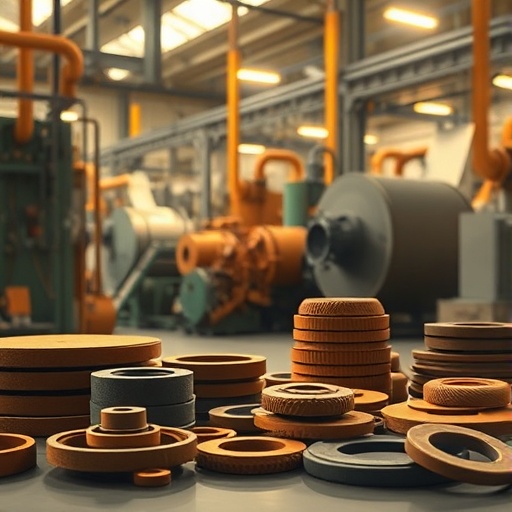
Chemical Resistance: Protecting Against Pulping Chemicals
Pulping chemicals attack unprotected metal rapidly, so rubber linings and seals form the first line of defense. Compounds engineered for acid and alkali resistance keep equipment intact through repeated exposure cycles. Rubber products for the pulp & paper industry must maintain flexibility while blocking chemical penetration that causes swelling or cracking. Technicians monitor surface condition during routine checks to catch early degradation. Correct compound choice prevents premature failure and protects product quality from contamination. Strong chemical resistance also lowers the risk of environmental releases during operation.
Durability Considerations for Long-lasting Performance
Durability starts with matching rubber hardness and reinforcement to the mechanical loads present in each machine. Abrasion from wood fibers and fillers accelerates wear on softer grades, so harder compounds often perform better in high-contact zones. Rubber products for paper industry applications gain extra life through proper curing and filler packages that resist cut growth. Operators track service hours and replace parts before visible failure occurs. This proactive stance maximizes uptime and controls spare-part inventory costs over time.
EPDM: The Versatile Choice for Extreme Conditions
EPDM, or ethylene propylene diene monomer rubber, handles wide temperature swings and strong weathering without losing elasticity. It resists steam, ozone, and many pulping chemicals that degrade other elastomers. EPDM gaskets and liners deliver reliable performance in both hot and cold sections of the mill. Rubber products for pulp industry lines increasingly specify EPDM where long-term stability matters most. The material also tolerates repeated sterilization cycles used in food-grade paper production. Plants that standardize on EPDM report fewer changeouts and more predictable maintenance schedules.
Innovations in Rubber Technology for Pulp Processing
Advancements in Rubber Compounds
New rubber compounds incorporate nano-fillers and advanced cross-linking that boost tear strength and chemical resistance simultaneously. These formulations allow thinner linings that still outlast older materials, freeing internal space in equipment. Rubber products for the pulp & paper industry benefit from faster curing processes that shorten manufacturing lead times. Labs now simulate full mill conditions during development, producing compounds ready for immediate deployment. The result is longer intervals between replacements and lower total ownership costs.
Sustainable Rubber Sourcing and Its Impact
Suppliers now offer rubber derived from responsibly managed plantations and recycled content streams. These options maintain performance while reducing environmental footprint across the supply chain. Mills adopting sustainable rubber products for pulp industry needs meet customer expectations for greener operations without sacrificing durability. Traceability systems verify origin and processing methods, supporting certification goals. The shift also stabilizes pricing by diversifying raw material sources away from single regions.
Maintenance and Best Practices for Rubber Components
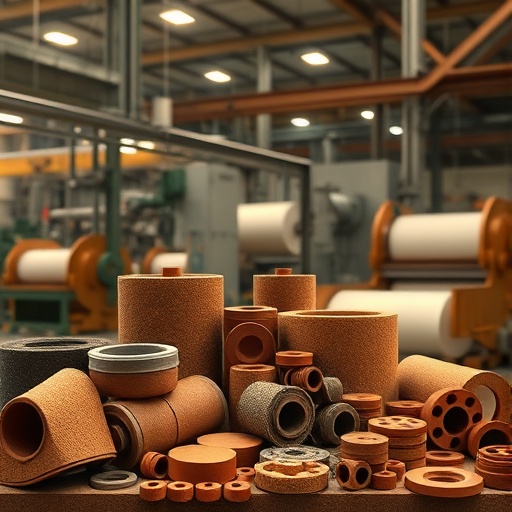
Regular Inspection and Replacement of Rubber Parts
Scheduled visual and tactile inspections reveal surface cracks, hardening, or compression set before leaks develop. Technicians log findings and compare against expected service life for each rubber product. Rubber products for the pulp & paper industry last longer when teams follow manufacturer replacement intervals rather than waiting for failure. Spare gaskets, stoppers, and vacuum seals kept on-site enable rapid swaps during planned outages. Consistent records help refine schedules and reduce emergency repairs over successive campaigns.
Tips for Extending the Life of Rubber Products
Store rubber parts away from direct sunlight, ozone generators, and extreme temperatures to prevent premature aging. Apply compatible lubricants during installation to reduce installation damage. Operators can monitor real-time pressure and temperature, catching conditions that accelerate wear. Proper torque on flange bolts prevents over-compression that shortens gasket life. Training crews on these practices yields measurable gains in component longevity and overall equipment effectiveness.
See Also
- How Gaskets and Stoppers Enhance Machinery Performance in Paper Mills
- The Future of Rubber in the Pulp and Paper Sector Sustainable Practices and Innovations
- Rubber Products Revolutionizing the Vacuum Systems in Paper Manufacturing
- Transforming Paper Production Efficiency with Advanced Rubber Technologies